Back
Back
Back
industry — e-commerce
WooCommerce development, store optimisation, custom checkout logic, and inventory automations for e-commerce teams that need speed, accuracy, and fewer plugin compromises.
catalog sync
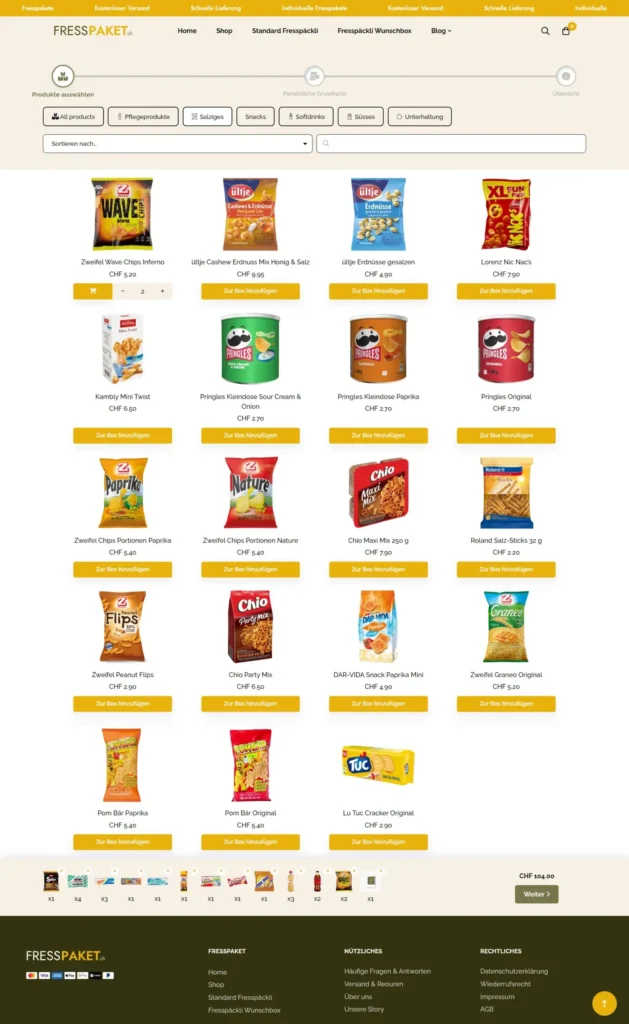
Faster storefront and checkout performance
Fewer catalog and stock errors
Less plugin bloat
Talk to ConicPlex
What this means for you
Growing catalogs expose the cracks in off-the-shelf WooCommerce setups fast — slow pages, stock mismatches, manual pricing updates. The goal is a store that loads fast, checks out cleanly, and syncs inventory without someone re-keying data.
Why teams choose us
We build custom WooCommerce extensions when plugin stacks start creating risk instead of leverage.
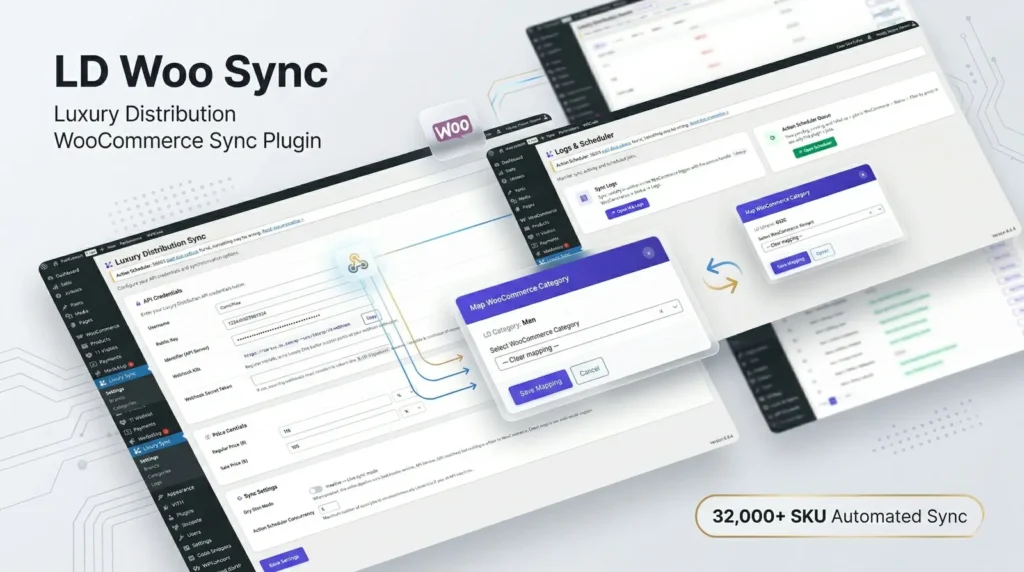
ConicPlex has real proof in sync-heavy e-commerce workflows where catalog accuracy matters every hour.
Performance, SEO, admin clarity, and operational automation need to be solved together on a store, not one by one.
What goes wrong
Plugin bloat slows the storefront, hurts checkout completion, and turns routine updates into risk.
Pricing, shipping, bundle, or catalog rules do not fit the business cleanly, so teams rely on brittle workarounds.
Inventory or supplier sync breaks regularly, causing stock mistakes, manual uploads, or customer frustration.
Revenue-critical flows depend on extensions nobody wants to touch because one update could break checkout.
What we build
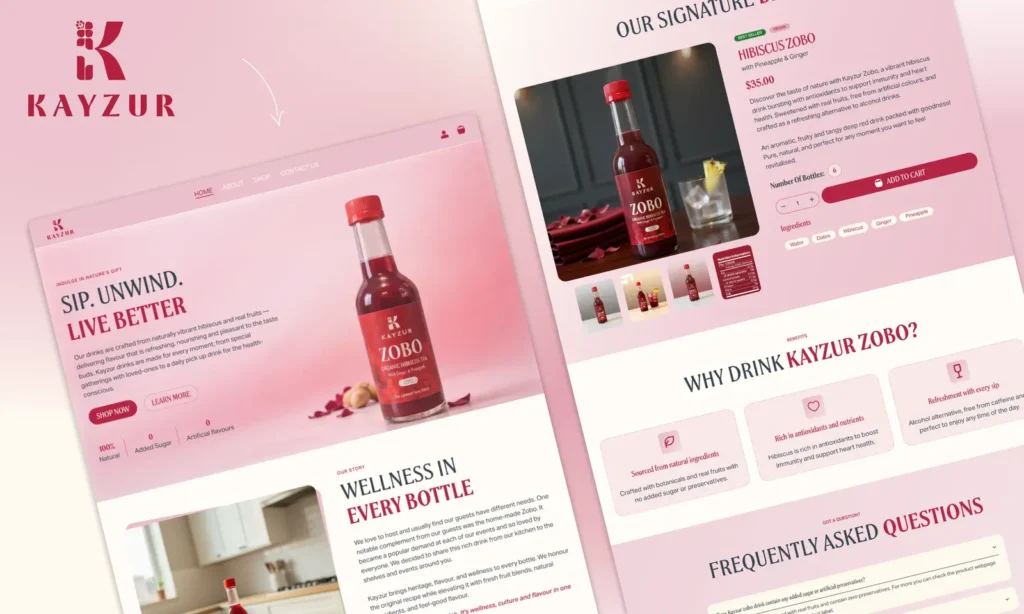
Fast WooCommerce storefronts with cleaner architecture, clearer navigation, and conversion-focused checkout paths.
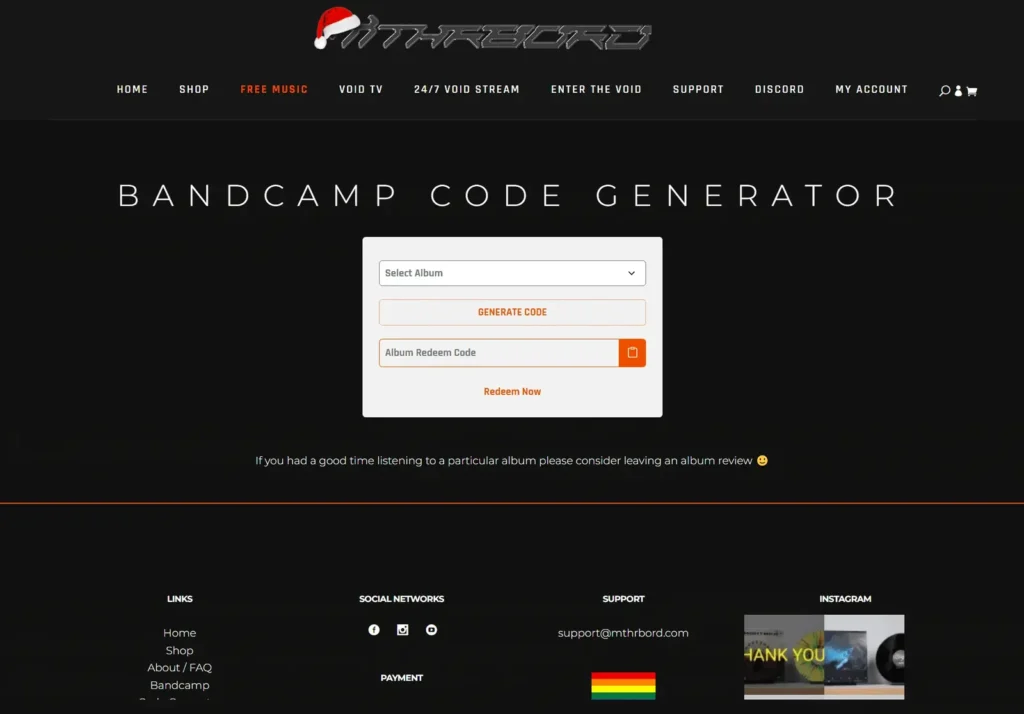
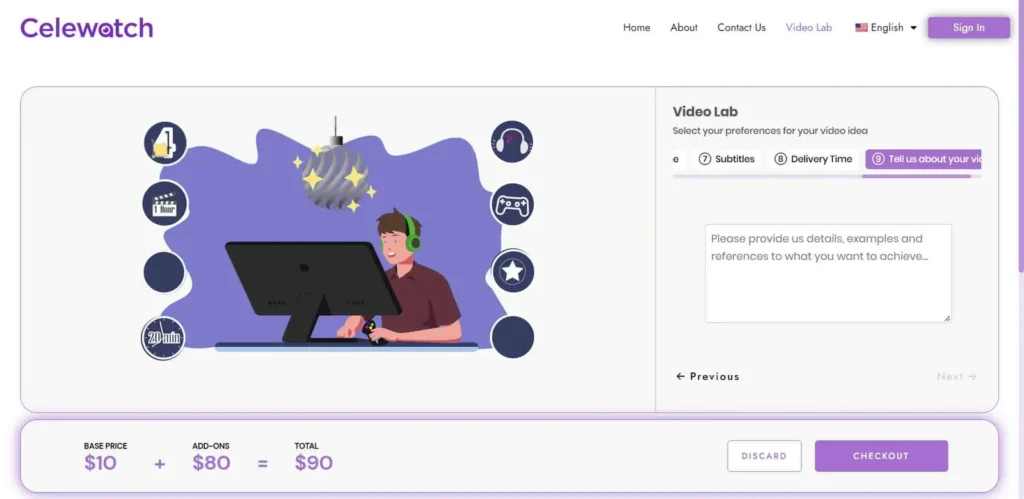
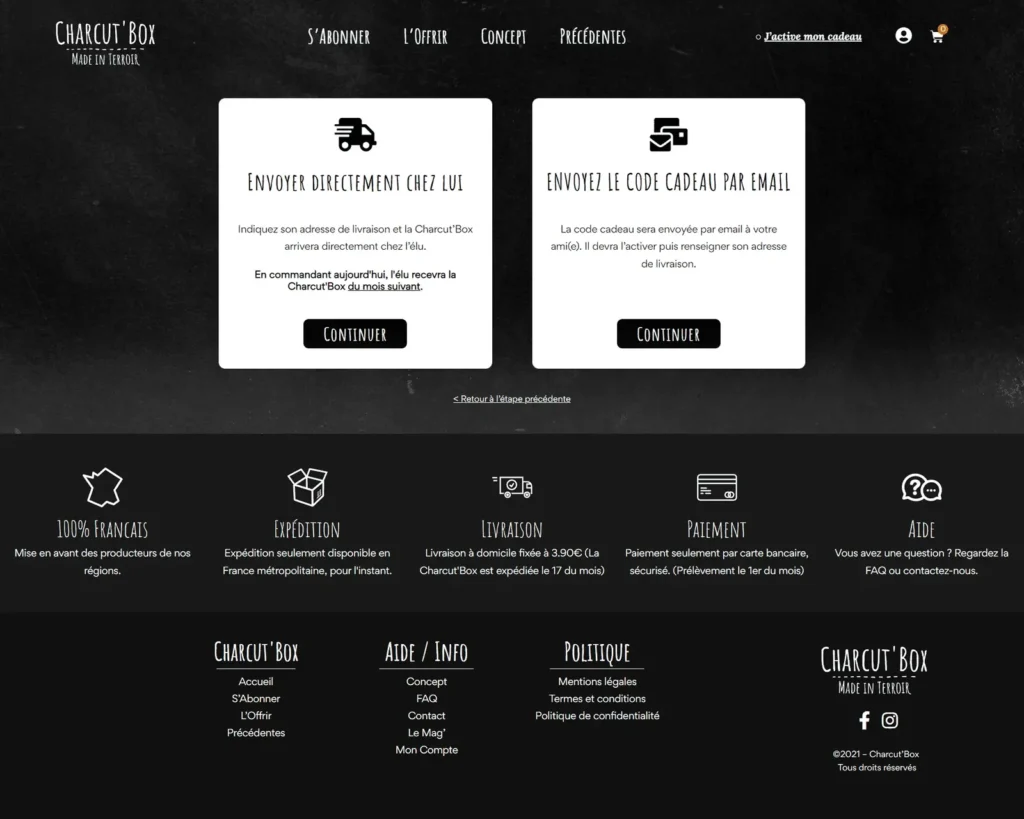
Custom pricing, shipping, wholesale, bundle, or account logic when existing plugins cannot model the business properly.
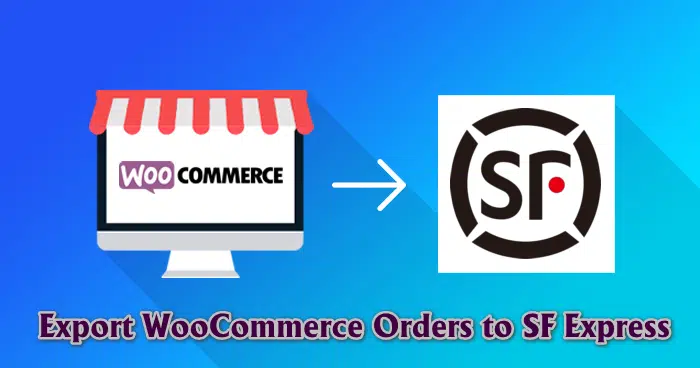
Supplier, warehouse, ERP, or marketplace sync tools that keep catalog data accurate without manual spreadsheets.
Operational dashboards and admin workflows that help the team trust what the store is doing in the background.
Best fit for
Trades and home services
Field service brands
Local marketplaces
Multi-location operators
Outcomes teams want
Faster storefront and checkout performance
Fewer catalog and stock errors
Less plugin bloat
More reliable automations behind orders and fulfillment
Store logic that fits how the business actually sells
Common integrations
Supplier APIs and stock feeds
WooCommerce product and order workflows
CRM, ERP, or warehouse systems
Email marketing and customer lifecycle tools
Marketplace or channel sync services
Proof-backed work
How we think about it
E-commerce teams do not usually struggle because they lack features. They struggle because too many features were bolted on in the wrong way. Stores become slow, fragile, and hard to trust. The result is a storefront that looks busy on the surface and creates operational drag underneath.
WooCommerce is flexible, which is exactly why stores can become messy fast. Every extra plugin adds assumptions, code paths, and update risk. If custom pricing, shipping, bundles, sync, wholesale logic, or account rules matter to the business, it is often better to engineer the right layer than keep stacking plugins.
Wrong stock, broken sync, bad pricing data, delayed product updates, and unclear checkout states cost revenue quietly. Those problems do not always show up in surface analytics first, but the operations team feels them every day. We build for that side too.
Category structure, internal linking, page speed, filtered navigation, and template quality all influence how stores rank and how easily users buy. We treat technical SEO and commerce UX as connected work, not separate checklists.
A growth-focused store needs more than a launch. It needs a codebase and workflow the business can live with as product count, traffic, and complexity rise.
Questions teams ask
Yes. We build custom pricing logic, shipping rules, checkout steps, product workflows, stock sync, and admin tooling when existing extensions stop fitting the business.
Often yes. We can audit the current stack, remove weak links, optimise speed, replace fragile plugins, and rebuild only the revenue-critical pieces first.
Yes. We handle migration planning, data mapping, redirects, SEO preservation, and the operational details around products, customers, and orders.
We look at plugin load, theme quality, query patterns, caching, image handling, third-party scripts, checkout complexity, and server setup. Store speed problems are usually architectural, not just cosmetic.
Yes. Supplier and warehouse sync is one of the areas where custom development pays off quickly because accuracy, timing, and clear error handling matter a lot.
Booking projects for next month
Whether you’re launching a startup, scaling a platform, redesigning a site or developing custom software — ConicPlex is ready to help.